



Are the Minimally Invasive Techniques the New Gold Standard in Thymus Surgery for Myasthenia Gravis? Experience of a Reference Single-Site in VATS Thymectomy
Source : https://www.ncbi.nlm.nih.gov/pmc/articles/PMC10867208/
The thymus is the primary lymphoid organ responsible for the maturation and proliferation of T lymphocytes. During the first years of our lives, the activation and inactivation of T lymphocytes...
The authors aimed to analyze the impact of robotic-assisted thoracoscopic thymectomy on symptoms and corticosteroid dosage in patients with MG, identifying factors that may predict a better response to surgery.

Therapeutic Effect and Side Effects of Pharmacotherapy in Patients With Parkinson Disease and Myasthenia Gravis: a Systematic Review of Case Reports and Case Series Studies
Source : https://pubmed.ncbi.nlm.nih.gov/38360447/
When treating a patient who has PD or MG, health providers should be cautious about the occurrence of another disease. Timely treatment must rely on monitoring new symptoms as soon...
When treating a patient who has Parkinson disease or myasthenia gravis, HCPs should be cautious about the occurrence of another disease.
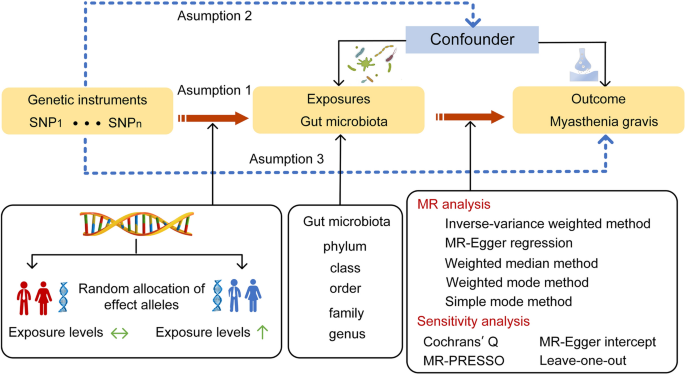
Mendelian Randomization Study Revealed a Gut Microbiota-Neuromuscular Junction Axis in Myasthenia Gravis
Source : https://www.nature.com/articles/s41598-024-52469-7
A growing number of studies have implicated that gut microbiota abundance is associated with myasthenia gravis (MG). However, the causal relationship underlying the associations is still unclear. Here, we aim...
Genetic evidence identified causal associations between gut microbiota and myasthenia gravis (MG), thus suggesting novel insights into the microbiota-neuromuscular junction axis in the pathogenesis of MG.

Long-Term Safety, Tolerability, and Efficacy of Efgartigimod (ADAPT+): Interim Results From a Phase 3 Open-Label Extension Study in Participants With Generalized Myasthenia Gravis
Source : https://www.ncbi.nlm.nih.gov/pmc/articles/PMC10842202/
ADAPT+ assessed the long-term safety, tolerability, and efficacy of efgartigimod in adult participants with generalized myasthenia gravis (gMG).ADAPT+ was an open-label, single-arm, multicenter, up to 3-year extension of the pivotal...
These interim results of ADAPT+ supported the long-term safety, tolerability, and efficacy of efgartigimod, an Fc fragment, for the treatment of patients with generalized myasthenia gravis.
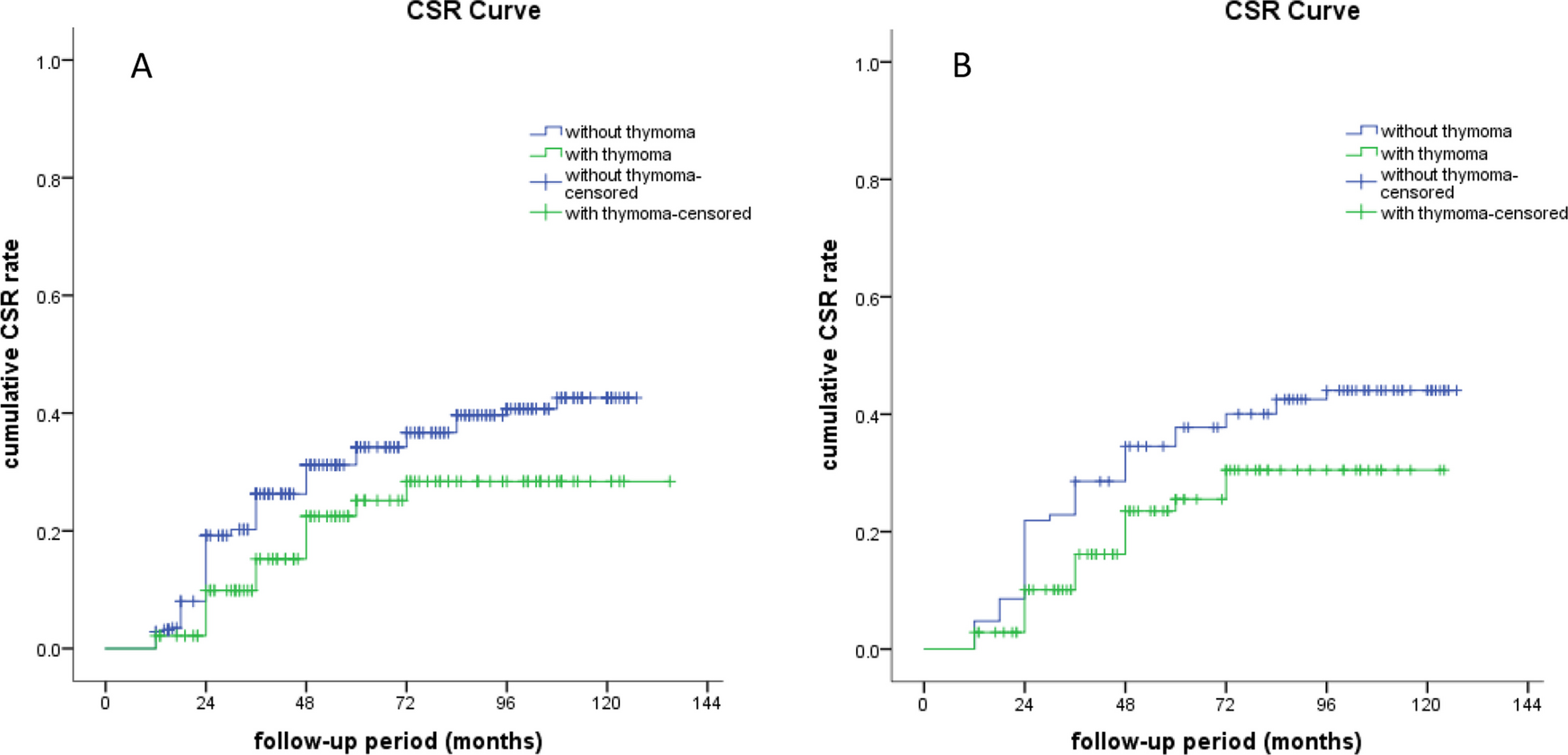
Thymoma Negatively Affects the Neurological Outcome of Myasthenia Gravis After Thymectomy: a Propensity Score Matching Study
Source : https://cardiothoracicsurgery.biomedcentral.com/articles/10.1186/s13019-024-02511-6
Thymoma and myasthenia gravis (MG) interact with each other. This study aimed to evaluate the effects of thymoma on neurological outcome of MG patients after thymectomy using the propensity score...
Older patients with myasthenia gravis and a preoperative course of >1 year had a lower probability of achieving complete stable remission.