



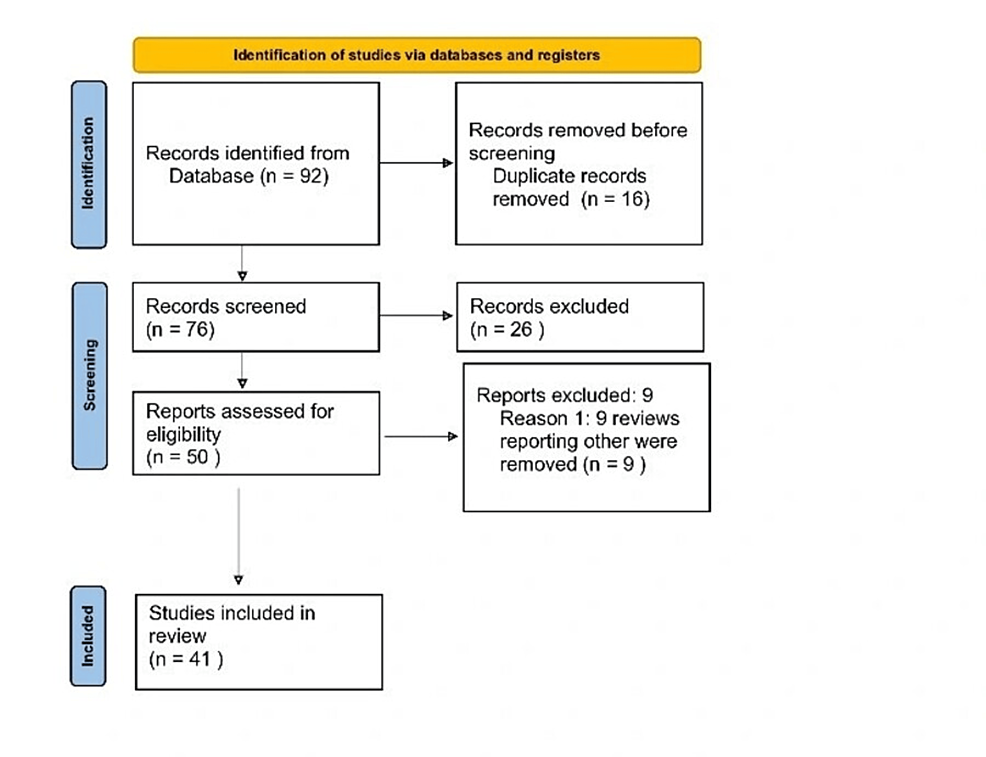
The study revealed a high sensitivity of 88% for repetitive ocular vestibular-evoked myogenic potentials in ocular myasthenia gravis, but specificity and PPV were too low to allow for the ocular myasthenia gravis diagnosis as a single test.
Advances in Understanding and Managing Myasthenia Gravis: Current Trends and Future Directions
Myasthenia gravis (MG) is an autoimmune illness characterized by autoantibodies against the acetylcholine receptor (AChR), muscle-specific tyrosine kinase (MuSK), and an increasing number of extra postsynaptic proteins. Pathogenic autoantibodies reduce...
Treatment and management for MG involve removing autoantibodies from circulation or blocking effector mechanisms using techniques such as complement inhibition, plasmapheresis, and B-cell elimination.
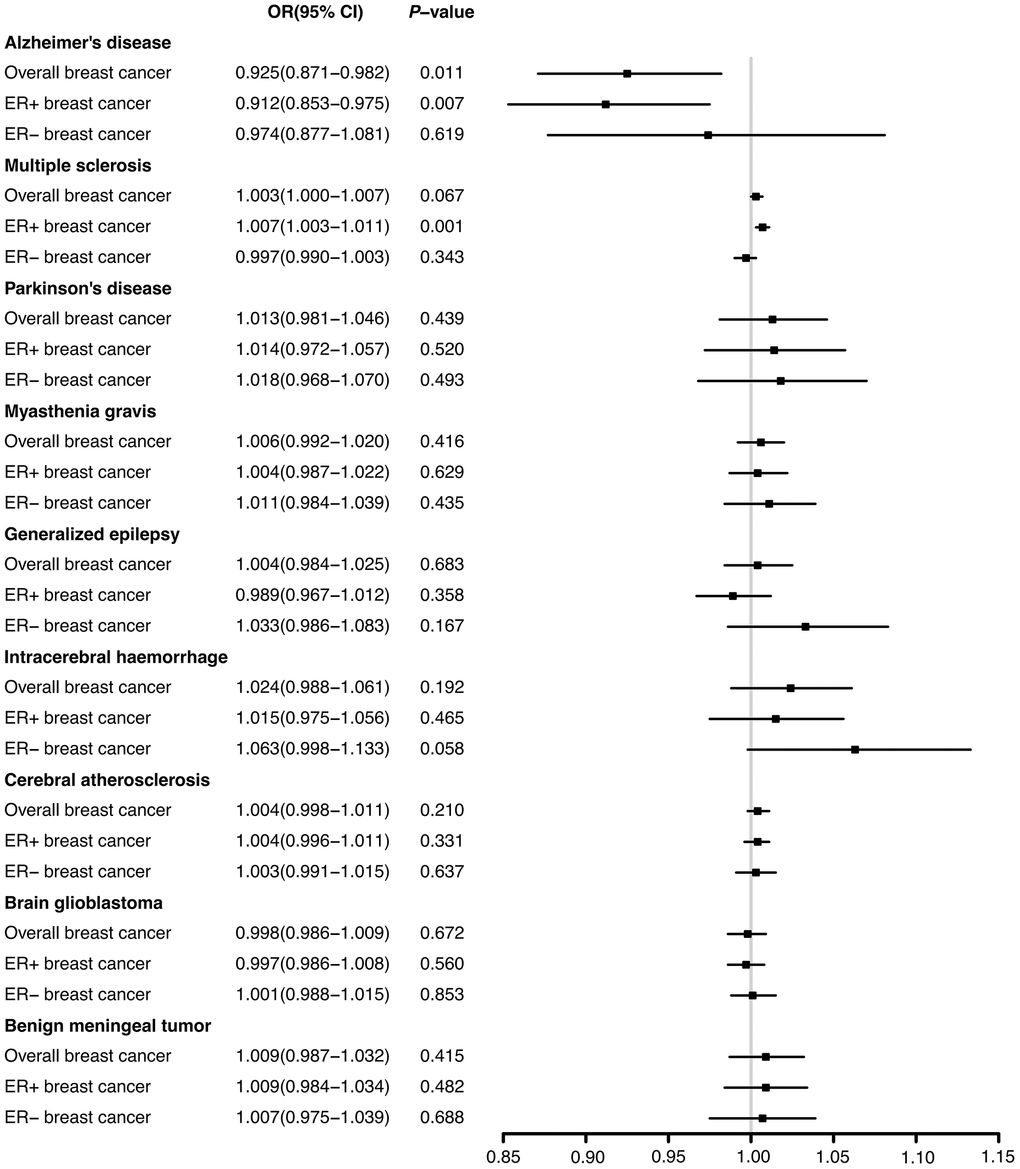
An Exploration of Causal Relationships Between Nine Neurological Diseases and the Risk of Breast Cancer: a Mendelian Randomization Study
Source : https://www.aging-us.com/article/205745/text
Background: Some preceding researches have observed that certain neurological disorders, such as Alzheimer's disease and multiple sclerosis, may affect breast cancer risk. However, whether there are causal relationships between these...
There was no evidence that myasthenia gravis could significantly affect an overall breast cancer risk.

Taste Disorders and Alopecia in Myasthenia Gravis
Source : https://bmcneurol.biomedcentral.com/articles/10.1186/s12883-024-03644-w
Background Non-motor symptoms in myasthenia gravis (MG) are rarely confirmed. Although there are some small cohort studies, a large-systemic survey has not yet been performed. Methods We investigated the incidence...
Among patients with MG, taste disorders were significantly more common in women, those with severe symptoms, refractory MG, or thymoma-associated MG, and were less common in those with ocular MG.
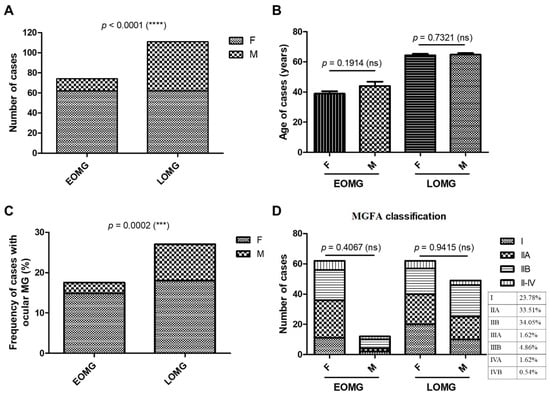
Autoimmune and Non-Autoimmune Comorbidities in Myasthenic Patients of East-European Descent: a Case-Control Study
Source : https://www.mdpi.com/2077-0383/13/8/2273
Background: As the life expectancy of patients with myasthenia gravis (MG) is improving, so the number of comorbidities continues to rise, with a potentially significant impact on the overall morbidity...
Obesity, type 2 diabetes, cerebrovascular disease, essential hypertension, and cardiac arrythmia were more frequent in patients than in the control group.