



Effectiveness and Safety of Telitacicept for Refractory Generalized Myasthenia Gravis: a Retrospective Study
Source : https://pubmed.ncbi.nlm.nih.gov/38751755/
Our exploratory investigation suggests that telitacicept is a feasible and well-tolerated add-on therapy for refractory GMG, offering valuable clinical evidence for this novel treatment option.
Telitacicept is a feasible and well-tolerated add-on therapy for refractory gMG, offering valuable clinical evidence for this novel treatment option.

Economic Burden of Generalized Myasthenia Gravis (MG) in the United States and the Impact of Common Comorbidities and Acute MG Events
Source : https://pubmed.ncbi.nlm.nih.gov/38745448/
gMG is associated with substantial incremental costs and HRU, with inpatient costs driving the total incremental costs. Costs increased by 20% and 34% among patients with cardiometabolic and psychiatric conditions,...
Costs increased by 20% and 34% among patients with cardiometabolic and psychiatric conditions, respectively, and >3 times among those with acute MG-related events.

Overcoming Therapeutic Challenges: Successful Management of a Supposedly Triple Seronegative, Refractory Generalized Myasthenia Gravis Patient With Efgartigimod
Source : https://pubmed.ncbi.nlm.nih.gov/38716750/
In light of recent approvals of efgartigimod by the European Medicines Agency and US Food and Drug Administration exclusively for AChR-positive gMG forms, our case highlights evidence suggesting that such...
Standard autoantibody detection tests failed to detect known pathogenic autoantibodies, but a cell-based assay identified autoantibodies against the clustered adult acetylcholine receptor.

A Predictive Nomogram for Short-Term Outcomes of Myasthenia Gravis Patients Treated With Low-Dose Rituximab
Source : https://pubmed.ncbi.nlm.nih.gov/38739094/
The nomogram achieved an optimal prediction of short-term outcomes in patients treated with low-dose rituximab.
A shorter disease duration, a positive anti-MuSK antibody, and the AA genotype in FCGR2A rs1801274 were significant predictors for achieving clinical response within 6 months when treated with rituximab 600 mg.
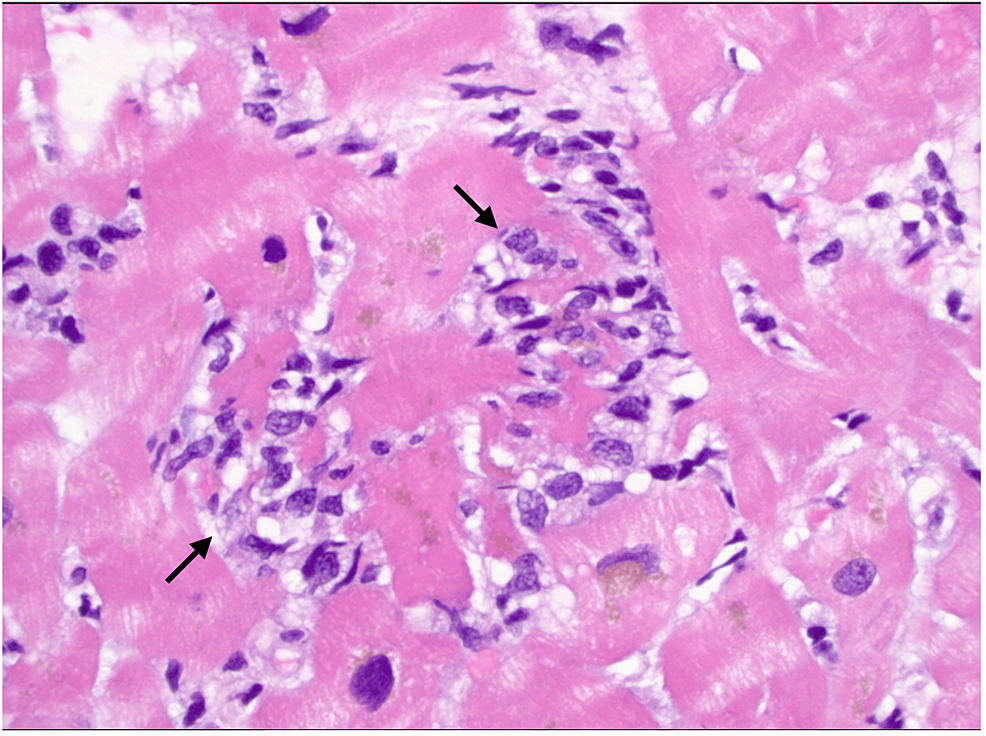
Myasthenia Gravis-Like Syndrome Resulting From Immune Checkpoint Inhibitors in a Patient With Urothelial Carcinoma
The widespread use of immune checkpoint inhibitors (ICIs) for the treatment of various types of cancer has led to increasing reports of associated adverse effects. The use of the ipilimumab/nivolumab/sacituzumab...
The authors describe a rare case of treatment with ipilimumab, nivolumab, and sacituzumab that induced a myasthenia gravis-like syndrome and caused severe, multisystem autoimmune-like toxicity.