
gMG Connect
  • Saved

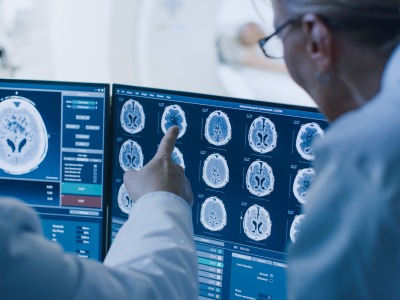
Did you know? Precision neurology is transforming care by integrating genomics, biomarkers, advanced imaging, and computational modeling to tailor diagnosis and treatment at the individual level. By moving beyond population averages, this approach enables earlier detection, better trial stratification, and more personalized therapeutic decisions across conditions like Alzheimer’s, Parkinson’s, epilepsy, and stroke.

How might integrating multi-omics and brain imaging reshape personalized decision-making in everyday neurological practice?
 NCCN Guidelines

How might integrating multi-omics and brain imaging reshape personalized decision-making in everyday neurological practice?

  • Saved
Background Image DesktopBackground Image Mobile

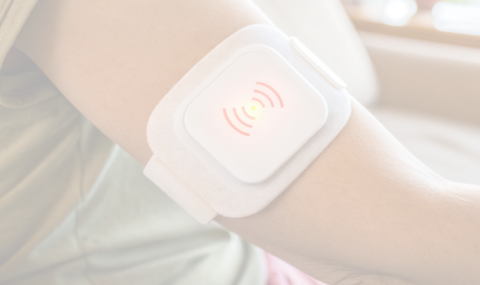
Wearable sensors enable non-invasive, continuous assessment of motor, autonomic, and cognitive function in children with neurological disorders. By capturing real-world data, they address limitations of subjective scales and support earlier detection of disease progression and treatment response.

Explore emerging digital neurology tools

  • Saved
Serum from patients with acetylcholine receptor antibody-positive myasthenia gravis triggers pathogenic changes in human myotube cells - PubMed

Serum from patients with acetylcholine receptor antibody-positive myasthenia gravis triggers pathogenic changes in human myotube cells - PubMed

Source : https://pubmed.ncbi.nlm.nih.gov/41621163/

Factors other than acetylcholine signal transmission inhibition may contribute to the pathogenesis of AChR antibody-positive MG. Further research is needed to clarify the pathways involved, potentially leading to more tailored...

Patient serum from AChR-positive generalized myasthenia gravis induces transcriptomic, structural, and functional abnormalities in human myotubes, supporting pathogenic mechanisms beyond neuromuscular transmission blockade and informing development of targeted immunomodulatory therapies.

  • Saved

Unilateral Ptosis and Bulbar Symptoms as the Initial Presentation of Late-Onset Acetylcholine Receptor Antibody-Positive Myasthenia Gravis Mimicking Acute Ischemic Stroke in an 82-Year-Old Man - PubMed

Source : https://pubmed.ncbi.nlm.nih.gov/41573440/

Myasthenia gravis is an autoimmune disorder of the neuromuscular junction. In older adults, it may present with bulbar and ocular symptoms that resemble acute stroke. Ocular myasthenia is typically asymmetric...

Case report describes late onset acetylcholine receptor antibody positive myasthenia gravis presenting with unilateral ptosis and fluctuating bulbar symptoms mimicking stroke, highlighting diagnostic pitfalls and importance of fatigability assessment clinical.