



Thomas Willis' legacy on the 400th anniversary of his birth
Source : https://www.thieme-connect.de/products/ejournals/abstract/10.1055/s-0042-1755278
CC BY-NC-ND 4.0 · Arq Neuropsiquiatr 2022; 80(07): 759-762DOI: 10.1055/s-0042-1755278 O legado de Thomas Willis no 400° aniversário de seu nascimento 1 Universidade Federal do Paraná, Hospital de Clínicas,...
Relevance: To celebrate the 400th anniversary of the birth of Thomas Willis, his main contributions to the development of neurosciences, in particular neurology, are presented. Willis coined the term neurology and contributed significantly to the field of neuroanatomy, with the description of the arterial circle—located at the base of the...

Successful Management of Generalized Myasthenia Gravis Induced by Atezolizumab in a Patient With Extensive-Stage SCLC: A Case Report
Source : https://www.jtocrr.org/article/S2666-3643(22)00078-9/fulltext
Immune checkpoint inhibitors including atezolizumab and durvalumab have been approved as the first-line treatment in extensive-stage SCLC. However, immune checkpoint inhibitors can cause immune-related adverse events, which will lead to...
Conclusion/Relevance: Herein we present a patient who developed generalized MG after receiving three cycles of treatment with etoposide, carboplatin, and atezolizumab. Immune-related MG was identified, with pyridostigmine bromide, intravenous immunoglobulin, and glucocorticoids given in time. Fortunately, the patient’s MG was relieved, and...
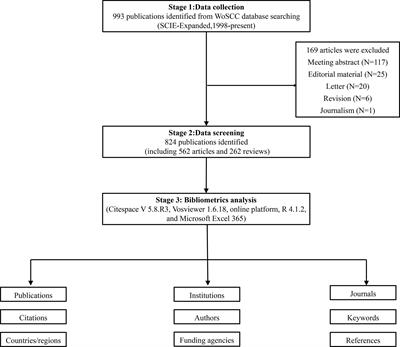
Knowledge mapping of targeted immunotherapy for myasthenia gravis from 1998 to 2022: A bibliometric analysis
Source : https://www.frontiersin.org/articles/10.3389/fimmu.2022.998217/full
BackgroundThe treatment of myasthenia gravis (MG) has advanced from steroids and traditional immunosuppressants to targeted immunotherapy. Targeted immunotherapy has been successfully employed in clinical practice in recent years. This study...
Conclusion: The current study summarized the global research trends concerning targeted immunotherapy for MG. Research interests gradually advanced from basic research to clinical research. MG treatment has entered a personalized precision treatment phase. Further investigations into new target molecules and high-quality randomized controlled...
Diagnosing myasthenia gravis using orthoptic measurements: assessing extraocular muscle fatiguability
Source : https://jnnp.bmj.com/content/early/2022/10/19/jnnp-2022-329859
Introduction Diagnosing ocular myasthenia gravis (MG) can be challenging because serum antibodies are often not detected. We aimed to explore whether determining extraocular muscle (EOM) weakness using orthoptic measures, including...
Discussion: Orthoptic measurements can be used to diagnose MG by quantifying EOM weakness and fatiguability. Drift during persistent gaze on a Hess chart is specific for MG and could be used for diagnostic purposes. The Hess chart examination is widely available, inexpensive and fast. Moreover, orthoptic measurements may be a clinically relevant...

Case Report: Successful Reversal of Residual Block with Sugammadex in a Patient Not Known to Have Myasthenia Gravis - PubMed
Source : https://pubmed.ncbi.nlm.nih.gov/36229945/
BACKGROUND Incomplete recovery from residual neuromuscular block agent (NMBA) after anesthesia is a serious adverse event in the post-anesthesia care unit. Acetylcholinesterase neostigmine is usually used to reverse residual neuromuscular...
Conclusion/Relevance: When refractory and prolonged residual neuromuscular blockade presents after repeated doses of anticholinesterase, sugammadex should be considered as an effective reversal agent. Particularly in cases of myasthenia gravis, sugammadex is superior to neostigmine for reversing rocuronium-induced NMBA in patients undergoing...